Curly hair goes beyond the bounce, definition, and good envy from passers-by. Only true curly heads know the chaos, time, and effort it takes to make those curls ‘curl’. Today it’s rough and frizzy, next week it’s gummy, limp, and flat. Always something to deal with, and a thousand products, videos, and routines that don’t seem to work for you. Is something completely wrong with your hair, or have you not understood the hair game mechanics?
We’d bet on the latter! The good news: once you understand your hair’s porosity, everything clicks. In over 75 countries, GK Hair stylists use this porosity-first approach to build routines that actually last. Here is exactly how to do the same.
What Is My Curl Type?
Your curl type falls into wavy (Type 2), curly (Type 3), or coily/kinky (Type 4) hair. These three curl categories are further classified into groups A, B, and C, each representing an increasing tightness of curl diameter.
Unlike what you may have heard, your curl pattern does not determine your care routine — your porosity does. Curl type tells you the shape; porosity tells you how your hair actually behaves.
What Is the Best Curly Hair Routine for Your Curls?
The best curly hair routine for your curls is not the routine your favourite celebrity follows, the routine everyone is trending on, or the routine of someone with a similar hair type. Once in a while, you may get a few good recommendations from those sources, but the best routine is one you have tested over time — one built around your own hair’s needs.
To build such a routine, you must first understand your curls, specifically your hair’s porosity.
What You Must Understand About Your Curls Before Building a Routine
"You can’t have exactly the same hair as another person." When you haven’t taken time to understand your curls, you may experience these common complaints:
-
Frizz despite moisturizing
-
Curls falling flat
-
Greasy roots with dry ends
-
Product buildup
-
Inconsistent curl definition
Your hair’s porosity is the most important thing to understand before choosing any product. In our experience working with clients across salon floors worldwide, this single factor explains why routines that work for one person completely fail for another.
Hair Porosity and Curls
Hair porosity describes how your hair absorbs and retains moisture. It is determined by how tightly or loosely your hair cuticles sit, and it governs almost every product decision you make. Porosity determines:
-
How quickly curls absorb water
-
How long moisture stays in
-
How products behave on your hair
-
Whether your curls stay defined or become frizzy
-
How your hair reacts to protein
-
Drying time, product buildup, and breakage risk
How Do I Know My Hair Porosity?
Yes, you can test your hair’s porosity at home. The spray bottle test is the simplest method: mist a small portion of clean, dry hair with water and observe for 30–60 seconds.
Low porosity: Water beads on the surface and resists absorption. Medium/Normal porosity: Water sits briefly then absorbs. High porosity: Water soaks in instantly and the hair dries fast.
Hair porosity changes over time; it isn’t stagnant. Because it is heavily determined by how tight or loosely packed your hair cuticles sit, it’s almost impossible to stay the same way. Stress, constant water exposure, hormones, aging, grooming, medication, environmental conditions, heat and chemical hair treatments affect the overlapping pattern of the cuticles every once in a while.
This is the reason hair products which may have worked for you during a period of time stops giving you the usual results. When that happens, check to see if others have negative feedback on the product. If you don’t see any complaints, check your hair’s porosity again and adjust your products accordingly.
The Curly Hair Routine to Match Your Porosity
Once you’ve known your hair’s porosity, you’ve cleared the path to knowing which products make the difference.
Routine for Low Porosity Curly Hair
The goal of the curly hair treatment for low porosity hair is to make moisture enter the hair without causing buildup.
Low porosity curls struggle with absorbing water and hair products which leads to buildup. To open up the tightly bound cuticles temporarily in low porosity hair so moisture seeps in, you’d need heat.
Step 1: Clarify to Remove Product Buildup
Use warm water to lift cuticles, then cleanse deeply with the GK Hair pH+ Shampoo. Softly scrunch at intervals to push water into the hair shaft.
Step 2: Use Heat While Deep Conditioning
Warm your deep conditioner in a bowl of warm water before applying. Alternatively, apply it and wrap curls in a heated cap or warm towel for 15–30 minutes, or stay under shower steam with a wrapped shower cap.
Step 3: Squish to Condish (S2C) With Lightweight Conditioner
While your curls are soaking wet, apply your lightweight rinse-out conditioner. Flip your hair forward and use your fingers to rake through your curls to detangle. Scrunch upwards, add water, and scrunch upwards again. Do this repeatedly till the conditioner is rinsed out.
Step 4: Apply a Lightweight Leave-in
Low porosity curls get weighed down very easily, so you’d use less amount of curl products. After your rinse-out conditioner, apply a lightweight leave–in conditioner cream or spray conditioner on your still wet hair.
Stylist's Corner
Wash and go is the traditional technique where all styling products are applied on soaking wet hair root-to-tip. Reverse styling (the faux wash and go) involves blow-drying washed, conditioned hair first, then applying products only at mid-lengths to ends. Wash and go is the better choice for low porosity curl heads — it maximises moisture absorption while the cuticle is still open from warm water.
Step 5: Define With Mousse or Lightweight Gel
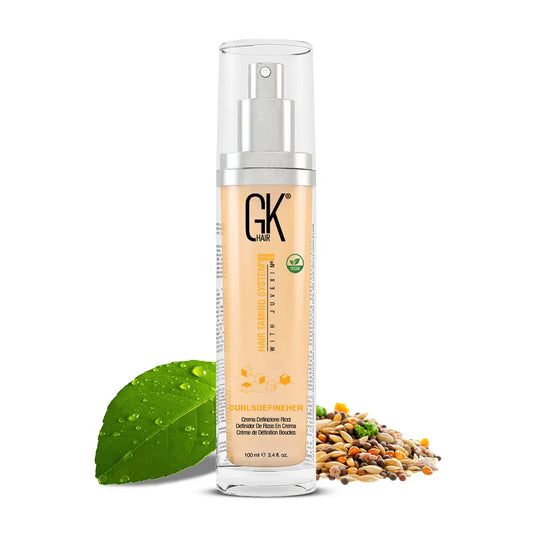
Use CurlsDefineHer, mousse, or lightweight gel applied to sections of hair. Scrunch upward and wrap curls around your fingers to build definition and bounce. Avoid heavy gels — they may sit on top without drying properly on low porosity hair.
Step 6: Microplop Instead of Full Plopping.
As much as plopping works for a lot of people, long plopping (because low porosity hair takes hours to dry) can flatten your roots or trap too much moisture which can cause puffiness or frizz.
It’s recommended to use a microfiber towel and gently scrunch excess water before air drying or using a diffuser. This is called microplopping, and it helps preserve your curl clusters.
Step 7: Diffuse Your Hair to Reduce Drying Time.
Using a diffuser helps your hair dry well and prevent mildew smell or the growth of bacteria.
Step 8: Scrunch Out the Crunch (SOTC)
When your gel dries, a crunch shell is formed around your curls. It protects your curls from frizz when drying. This is called a gel cast, and you scrunch your curls gently to soften them while keeping your definition.
Make sure your hands are dry while you scrunch, and if the cast becomes a bit difficult to remove, use a tiny amount of lightweight oil.

Routine for High Porosity Curly Hair
High porosity hair has no issues with absorbing moisture and hair products, but it loses them just as easily as it absorbs it. The aim of your routine is to ensure the moisture/products that enter your strands stay longer inside—by sealing your cuticles and strengthening your strands.
Curls are much drier than straight hair because sebum, the scalp’s natural oil, doesn’t easily flow and lubricate the strands due to the shape of the hair fiber.
With high porosity curls, your strands get much drier and cause frizz, tangles and breakage.
Step 1: Cleanse With Sulphate-free Shampoos
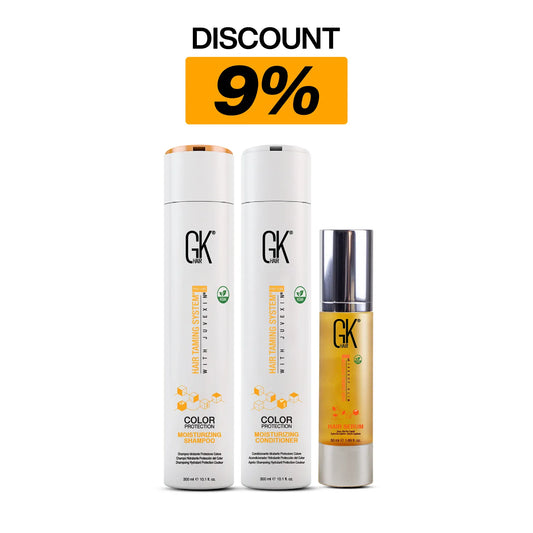
Use moisturising shampoos to avoid over stripping natural oils any longer.
Pro tip: Use your rinse-out condition before washing with shampoo to detangle curls and reduce hair breakage.
The S2C method helps force moisture to penetrate deep into hair strands.
Step 2: Deep Condition Frequently
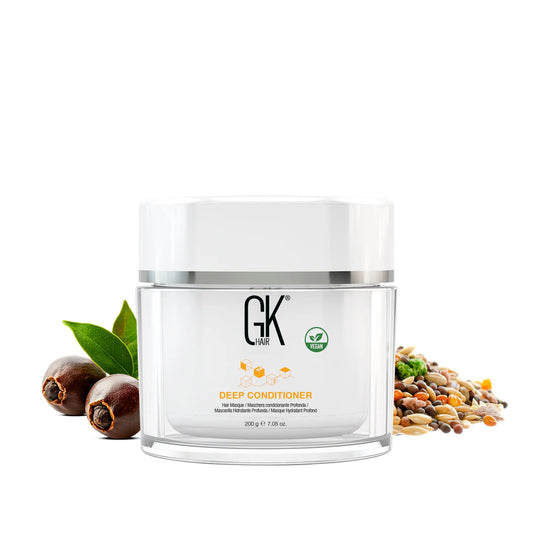
Apply GK Hair Deep Conditioner best for locking in protein and moisture to dry and damaged strands to highly porous curls once or twice per week.
Step 3: Apply Leave-in on Very Wet Hair
Once exposed to air, high porosity curls lose water quickly. Apply leave-in conditioner immediately after rinsing to add slip to your curls.
Step 4: Layer Products (Using LOC or LCO method)
LOC: Liquid → Oil → Cream | LCO: Liquid → Cream → Oil
Layering products slows down moisture loss. We'd advise you to test both and stick with what works for your hair. This step is the most important for high porosity curly hair treatment as it helps to seal your cuticles and trap the moisture and products that’d been put into it.
Pro tip: Using cold water to rinse out your shampoo and rinse out conditioners help to seal the cuticle too.
Step 5: Style
Use firm-hold gels, richer creams, butters and oils to keep your curl clusters bouncy and maintain definition.
Ensure to apply enough gel that creates a strong gel cast to protect your curls when they’re drying and slow humidity penetration.
Step 6: Diffuse Carefully
This type of curls dry and frizz easily. When diffusing, ensure your diffuser is on low/medium heat. Make sure you use a heat protectant before you diffuse to avoid split ends.
Pro tip: Do not touch your curls while diffusing. It can lead to clumps and halo frizz.
Step 7: Scrunch Out Your Gel’s Crunch
When your hair is fully dry, carefully scrunch the cast out. Your hands should be clean and dry. If the cast becomes a bit difficult to remove, use a tiny amount of lightweight oil. This softens your curls without disrupting definition.
Best Curly Hair Products for Hydration and Frizz Control
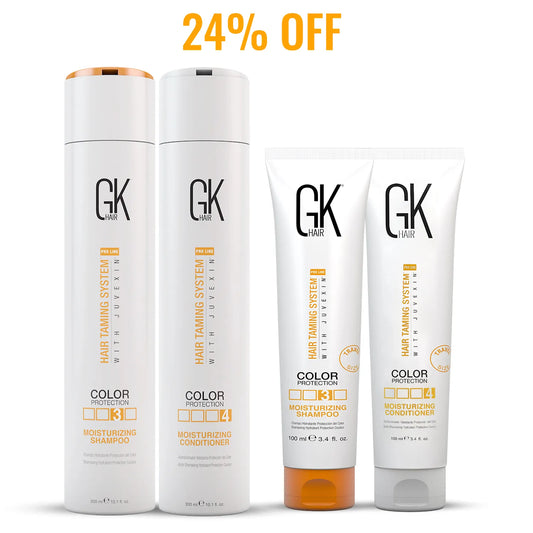
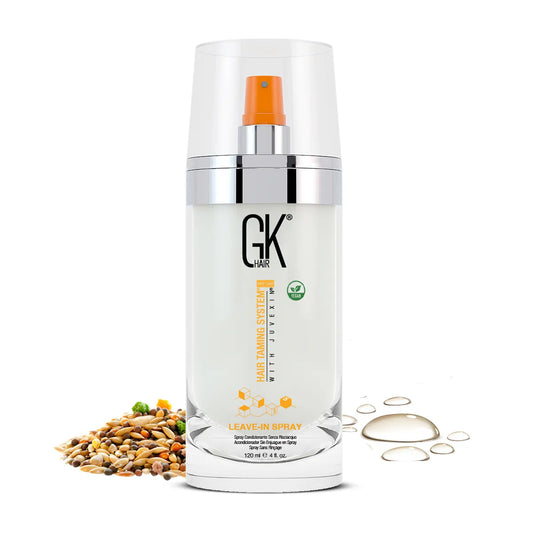
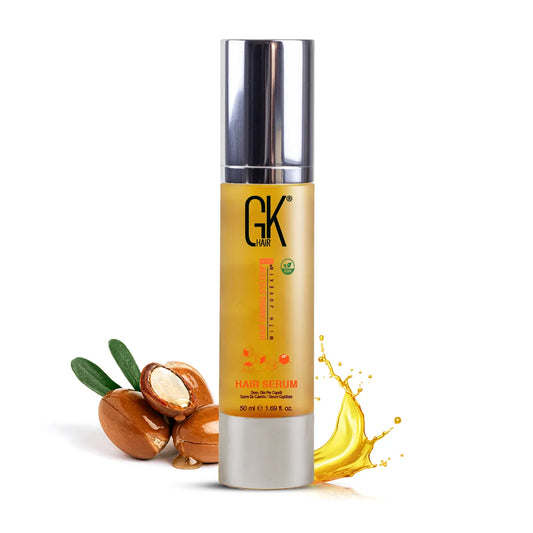
GK Hair stylists recommend these curly hair products as the core of any hydration and frizz-control routine, based on feedback from clients across our global network of salons in 75+ countries:
A full ingredient list for each product is available on the respective product pages — linked above — for complete transparency.
How Often Should You Follow a Curly Hair Routine?
Your curly hair routine should be done every wash day. However, because curly hair gets dry very easily, you should only wash your hair when it needs to, not just when you want to. You can always refresh your curls in between washes.
You should follow a curly hair routine as long as you want to maintain your curls and as long as it keeps working for you. Remember to make adjustments when one routine stops serving you.
What is the Best Straightener for Curly Hair?
You can wear straight hair without permanently damaging your curls. But to achieve this look, you must use a flat iron straightener that provides even heat distribution.
The One Control Titanium Flat Iron features extra-wide plates designed to manage thick, coily hair quickly. It uses a single-button control and reaches temperatures up to 450°F(232°C).
The Easy Control Titanium Flat Iron has advanced titanium plates which glides through coarse, textured curls with ease. It’s very easy to control and helps seal moisture in and remove frizz.
Final Tips for Your Curly Hair Routine
Curly hair can be a lot, but when you’ve understood our hair’s porosity, you’d have a good guide to choosing the routine that works for you. In addition to using the right products, the right curly habits: detangling/styling when wet, protecting hair overnight with silk or satin bonnets and putting hair in a pineapple style before sleeping helps to maintain your definition and bounce. Curly hair needs a lot of moisture and hydration!
Meanwhile, how’s your wager?