A salon treatment, as needful as it is, ends the moment your appointment ends. In fact, how you care for your hair beyond the salon determines how long your treatments last. With dry and frizzy hair, it's even worse, because you can't rely only on appointments to fix what you see in your bathroom mirror every morning. However, with a few ingredients readily available in your kitchen, you can make some home remedies for dry and frizzy hair, and see if they'd make any difference.
What Makes A Good Hair Treatment For Dry Frizzy Hair?
Good home remedies for dry and frizzy hair fall into any of these groups: humectants (water-attracting agents), emollients (softening agents), or occlusives (oil-based barriers). The most effective remedies combine two or all three to hydrate, smooth and lock in moisture.
Humectants, also nicknamed "water magnets", are water-hungry substances that attract water, irrespective of conditions. In high humidity environments, they draw water vapour from the air to your hair, whereas in dry conditions, they draw water from the inner layers of your hair. They are the reasons for poofiness of hair in very humid climates, and flat, brittle hair in very dry environments.
Because they attract moisture but do not seal it in, humectants are most effective when paired with occlusives and emollients to prevent evaporation.

Emollients are softening agents. The cuticles of dry and frizzy hair are raised, leading to moisture loss, hair strands rubbing against each other, tangles, split ends, and a rough, coarse texture. An emollient coats your hair fibre, fills the gaps and uneven areas in the cuticles, and causes them to lie flat to prevent moisture loss. This action helps hair feel smoother and softer and seals moisture added by humectants to your hair.
Occlusives are the gatekeepers. They form a breathable film on your strands and scalp to serve as a barrier between them and the environment. Occlusives are oil-based and they sit on top of your strands, not penetrating (except penetrating and partially penetrating oils), to lock in hydration and lock out environmental humidity. They are what rebuild the moisture barrier hair loses when the cuticle stays raised, and they are best used in frizzy hair treatment after a humectant and emollient have been applied.
Quick Reference Guide: Which Remedy Is Right For You?
Matching the remedy to your porosity and density is where real hair texture improvement starts. Use this table to narrow down your options before you reach for the blender.
| Remedy | Best For | Time | Fine Hair Safe? |
|---|---|---|---|
| Banana + Honey + Coconut | Dry, thick, damaged hair | 20–30 mins | No (weight) |
| Olive Oil + Honey + Egg | Broken, weak strands | 20–30 mins | Risky |
| Aloe + Oil | High porosity, coarse strands | 20–30 mins | Yes (almond oil) |
| Avocado + Coconut Oil | Very coarse, colour-treated | 25–30 mins | No |
| Banana + Aloe + Honey | Fine hair, oily scalp | 20–30 mins | Yes |
| Warm Coconut Oil Overnight | Severe damage, high porosity strands | 8 hours | No |
Top 6 Tested & Trusted Home Remedies For Dry And Frizzy Hair
1. Banana + Honey + Coconut Oil
This blend is a perfect example of a frizzy hair treatment. The banana acts as the emollient, honey as a humectant, and coconut oil as an emollient and occlusive.
Being one of the highest rated DIY masks online, each ingredient plays its role very efficiently. The banana softens, smooths, and fills the gaps in the raised cuticles with its lipids to improve flexibility of the hair fibre. Honey pulls moisture to the dry strands, and coconut oil penetrates your hair's shaft to strengthen it and seals it so that the moisture that the honey just pulled in won't get stolen by dry air. It also blocks environmental humidity from entering the hair unevenly, which is what causes frizz.
To use:
- Mash 1 ripe or overripe banana until it is completely smooth.
- Melt 1 tablespoon of coconut oil slightly so it mixes easily.
- Add 1 tablespoon of raw or organic honey to the mix.
- Optional add-in: 2 tablespoons of plain Greek yogurt or curd for extra protein and creaminess.
Blending them together is recommended because most people complain banana pieces become impossible to rinse when not blended. This blend is a very good deep conditioning treatment.
2. Olive Oil + Honey + Egg Mask
The olive oil, honey and egg mask is specifically for damaged hair that breaks easily. This type of hair is lacking not just moisture, but protein, which makes it the closest thing to a protein treatment for hair you can build in your kitchen. The egg, made up of egg white and yolk, is a multi-tasker.
The egg yolk contains lecithin, essential fatty acids and water soluble vitamins that work together to condition and soften dry strands. The egg white, packed with water and albumin, fills gaps in the cuticle and creates a temporary protein film that makes hair feel softer and fuller.
The honey pulls moisture to your strands; olive oil seals it in with the protein from the egg yolk.
To use:
- Mix 2 tablespoons of olive oil, 1 egg (or just the yolk for very dry hair), and 1 tablespoon of honey.
- Apply to damp hair, focusing on the mid-lengths and ends, then leave on for 20–30 minutes.
- Rinse with cool or lukewarm water because hot water can cook the egg.
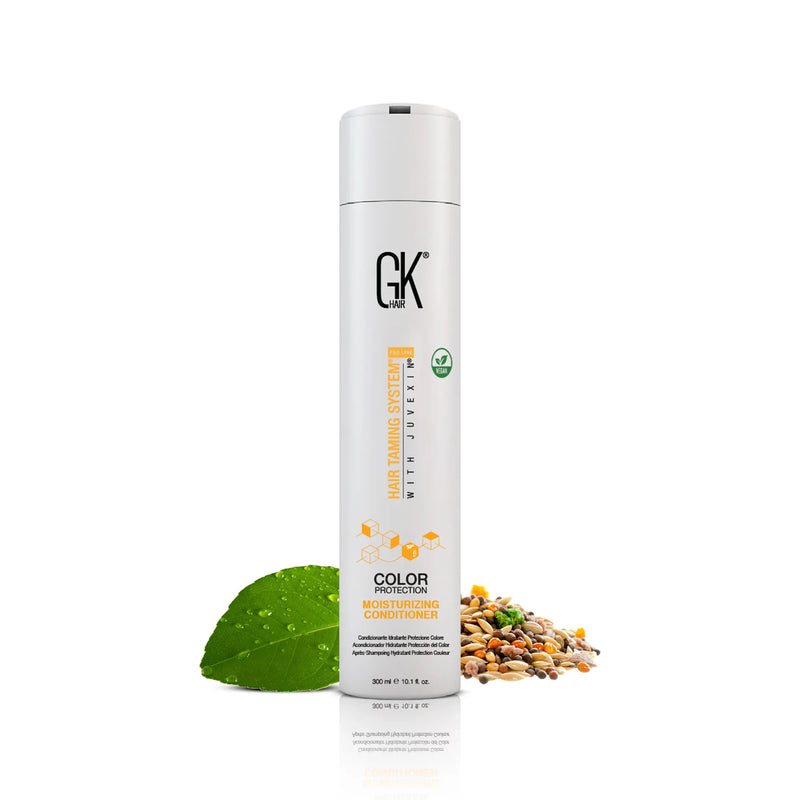
- Shampoo and condition with our Moisturizing Shampoo and Conditioner. Best for: all hair types seeking sulphate-free hydration and colour safety.
3. Aloe Vera Gel + Coconut/Almond Oil
Aloe vera has over 95% water, which makes it one of the purest humectants you can put on dry hair. It has no thickeners, no added fragrance pulling moisture out later. On its own, though, it evaporates fast and leaves nothing behind to trap that moisture. That's where the oil comes in.
Melted coconut oil paired with aloe gets you a combo that works best on coarse, high porosity, or chemically treated hair that's losing protein and needs reinforcement, not just surface gloss. This is because coconut oil's fatty acid, lauric acid, is small and straight enough to slip past the cuticle and into the hair shaft itself.
Pair aloe with almond oil instead, and you get a lighter frizzy hair remedy. Almond oil's main fatty acid is bulkier and stays mostly on the surface, smoothing the cuticle without sinking in. This is why it's a better match for fine, low-porosity hair, or oily scalps that go greasy fast under heavier oils like coconut oil.
To use:
- Scoop 2–3 tablespoons of fresh aloe vera gel from a leaf, or use a store-bought gel with no added alcohol or dye.
- Mix in 1 teaspoon of almond oil for fine or low-porosity hair, or 1 tablespoon of melted coconut oil for coarse or high-porosity hair.
- Apply to damp, towel-dried hair from mid-lengths to ends, avoiding the roots if your scalp runs oily.
- Leave on for 20–30 minutes under a shower cap.
- Rinse with cool water. If you used the coconut oil version, follow with a light shampoo to avoid residue.
Pro Tip: Always do a patch test on your inner wrist first. Aloe vera is gentle for most people, but reactions do happen, and you don't want to find that out across your whole head.
4. Avocado + Coconut Oil Mask
This is the richest mask on our list of frizzy hair remedies, and it's built for hair that needs it. Avocado is loaded with monounsaturated fats, vitamin E, and biotin, and it's one of the heavier natural emollients you can use. It coats and smooths coarse, rough cuticles in a way lighter ingredients like aloe just can't.
Coconut oil backs it up by doing what it does best: penetrating the shaft to slow protein loss from the inside, while the avocado handles the outside. Together, they form a mask that's a strong match for coarse, thick, heat- and colour-damaged hair that feels rough no matter how much conditioner you use.
If your hair is fine or low-density, go easy on this or skip it entirely. The same richness that revives coarse strands can flatten fine ones fast. A lighter option like the aloe-almond mask above does more without the weight. For a gentler routine built around washing, our guide to the 5 best frizzy hair shampoos covers what to pair with these masks.
To use:
- Mash half a ripe avocado until completely smooth. Make sure there are no lumps, or you'll be picking them out of your hair later.
- Melt 1–2 tablespoons of coconut oil and mix it in until you get a creamy, lump-free paste.
- Apply to damp, towel-dried hair, focusing on mid-lengths and ends.
- Cover with a shower cap and leave on for 25–30 minutes.
- Rinse with lukewarm water, then shampoo. Wash twice if your hair still feels oily afterward.

5. Banana + Aloe Vera + Honey
Everything else on our list leans on oil, but not this one. Banana softens and smooths the cuticle, working as the emollient, while aloe vera and honey both work as humectants, pulling moisture in and holding onto it. There's no occlusive layer in this recipe, which makes it the lightest mask on the list.
This combo is a good fit for dry fine or low-porosity hair, oily scalps, or anyone who's tried a coconut-oil-heavy mask before and came out feeling weighed down instead of hydrated. It also works as a solid starting point if you're new to DIY hair masks and want to see how your hair responds before committing to something richer.
To use:
- Blend 1 ripe banana, 2 tablespoons of fresh aloe vera gel, and 1 tablespoon of honey until completely smooth. (Remember, banana chunks can be very difficult to rinse out.)
- Apply to clean, damp hair from roots to ends.
- Leave on for 20–30 minutes under a shower cap.
- Rinse thoroughly with cool water, shampooing after if any residue remains.
Because this mask leans so heavily on humectants without an oil to seal them in, remember the rule from earlier: humectants work best with a partner. On humid or dry days, follow up with our Argan Oil Serum. Best for: sealing humectants without weight, ideal for fine to medium hair, or use a light leave-in to lock in what the banana, aloe, and honey just pulled into your strands.
6. Warm Coconut Oil Overnight Treatment
Warming coconut oil makes it thinner and easier to penetrate more effectively than it would when cold. Add eight hours of dwell time overnight, and you've got the most complete combination of penetration and sealing our list has to offer; arguably the best oil for dry frizzy hair.
This hair treatment for dry frizzy hair is best used for very dry, coarse, high-porosity hair, or hair recovering from heat styling damage or colour damage. If your hair is fine, low-density, or your scalp runs oily or breakout-prone, avoid this. The weight and the overnight scalp contact can do more harm than good. And if you're dealing with hair thinning, don't leave oil on the scalp overnight at all — scalp nourishment matters, but not at the cost of clogged follicles.
To use:
- Warm 2–3 tablespoons of coconut oil until just warm to the touch; not hot.
- Apply to mid-lengths and ends first. Only add a light amount to your scalp if it's dry and you're not prone to breakouts or thinning.
- Massage in with your fingers, then cover your hair with a shower cap.
- Sleep on an old silk pillowcase or wrap your hair in a towel to catch any drips.
- Shampoo thoroughly in the morning. You'd need more than a round of shampoo to fully remove the oil.
Don't make this treatment a weekly habit. Trichologists generally recommend penetrating oil treatments like this one no more than once a month. Anything more than that, you risk overloading the hair shaft with protein, which leaves it stiff and straw-like instead of soft.
Stylist's Corner: The 3–5 Minute Pause Technique
We talked with professional hair colourists and stylists about tips most frizzy hair treatment guides leave out. Here's what they had to say:
Order of application (humectants first, emollients next, then occlusives) matters a lot, but so does dwell time. Most home remedies for dry and frizzy hair skip this. After applying your humectant-emollient combo, wait 3–5 minutes before sealing with an occlusive. This gap lets the water-based ingredients penetrate into the hair cortex, as jumping straight to oil can trap them on your hair's surface.
In our partner salons across the UAE and 75+ countries where GK Hair stylists work, this "pause" technique has doubled moisture retention compared to immediate back-to-back oil application.
Also, never apply humectants on bone-dry hair. Always dampen with water first.
How To Stop Hair Frizz After Shower
You should use a sulphate-free shampoo and moisturising conditioner, in addition to following safe shower and post-shower habits, to stop the hair frizz you notice after you come out of the washroom.
Frizz after a shower could happen for a number of reasons. In the Gulf, hard water hair damage is a common culprit: mineral deposits build up on the cuticle and leave strands rough and dull no matter how much conditioner you use. The first good shower habit to stop frizz is to finally rinse with cool, not hot, water. Hot showers lift your cuticles, allowing moisture to enter your hair unevenly, which leads to frizz. Rinsing off with cool water makes the cuticles lay flat.
Other post-shower-safe habits include:
- Gently squeeze out excess water from your hair, and pat using a microfibre towel or an old T-shirt. (Throw out the cotton towel! It damages your strands.)
- Apply your lightweight leave-in conditioner, and detangle your hair while it's damp. Use a wide-tooth comb to work through from your ends, upwards. The conditioner's slip makes it easy to separate tangles and avoid breakage.
- Use our argan oil serum to seal the moisture in your hair, so frizz doesn't come to attack.
- To dry, allow your hair to air dry or attach a diffuser to your low-heat blowdryer. If you're air-drying, avoid touching your hair.
If dryness is your bigger problem, our guide on how to fix dry hair with the Moisturizing Duo walks through a full wash-day routine.

What Are GK Hair's Best Products For Frizzy Hair?
The best products for frizzy hair hydrate your strands, smooth the cuticle, lock in moisture to prevent it from escaping, and protect your hair from humidity. GK Hair formulates for exactly that, and our stylists build the routine below in salons across 75+ countries.
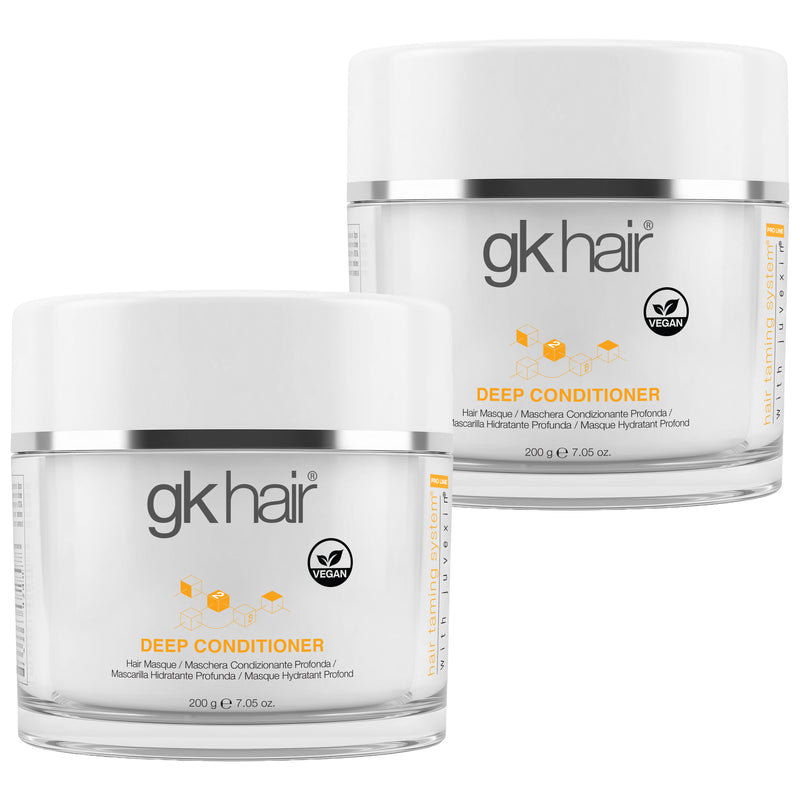
For hair hydration and conditioning: our Moisturizing Shampoo & Conditioner and Deep Conditioner. Best for: dry, porous, or chemically treated hair that needs a weekly deep conditioning treatment to rebuild softness from the inside. The Moisture & Hydration Collection keeps strands soft, hydrated and frizz-free.

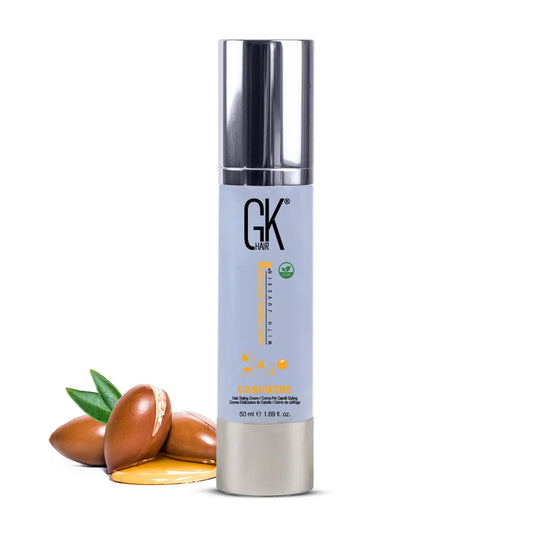
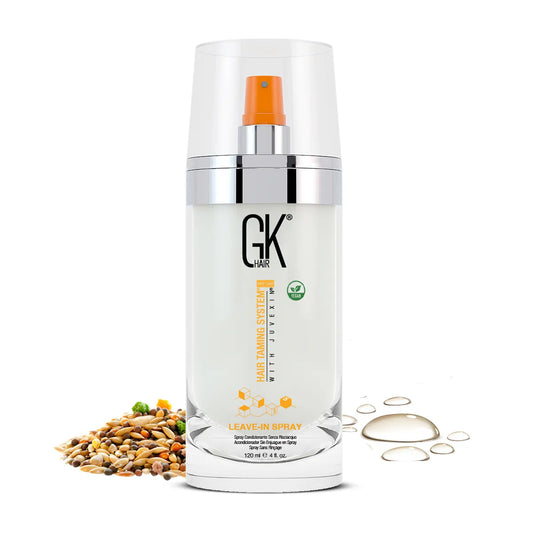
For locking moisture in and protecting from humidity: our Leave-In Conditioner Cream, Argan Oil Serum, Cashmere styling cream and ThermalStyleHer Cream. Best for: humidity-proof hair and daily protection against heat styling, sealing the moisture barrier so frizz can't creep back in. All are available in our Anti-Frizz & Shine Collection.
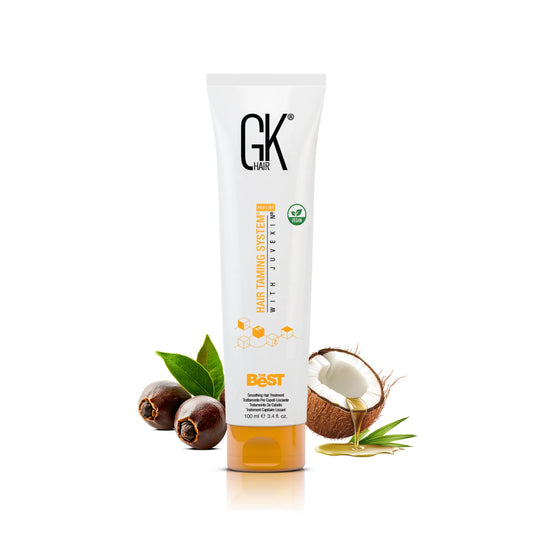
For smoothing, straightening and getting rid of frizz: The Best Keratin Treatment, formulated with Juvexin, a non-hydrolysed keratin protein blend that penetrates the hair cortex and coats the cuticle. Best for: coarse, resistant or badly frizz-prone hair that needs more than a home remedy can deliver.
For detailed guidance on building a complete routine, visit our Anti-Frizz Hair Products Guide to learn exactly how to use these products to create a regimen that works for you.
Final Thoughts On Home Remedies For Dry And Frizzy Hair
The right home remedy for dry and frizzy hair is one that works with your hair type and porosity, not against it. None of the ingredients used in making them does much good sitting in your fridge instead of your hair.
Pick one, match it to your porosity and hair type, and give it a few weeks before judging results. When frizz persists, and your hair needs more than a home remedy can offer, then it's a sign you need a professional smoothing treatment — The Best Keratin Hair Treatment!
Frequently Asked Questions (FAQs)
What Is The Best Home Remedy For Dry Frizzy Hair?
Although most people say that a warm coconut oil mask is the best remedy, the best home remedy for dry frizzy hair is one that suits your hair type, hydrates your strands and prevents moisture from escaping without making them feel heavy, greasy, or limp. Match it to your porosity before you judge the results.
How To Fix Frizzy Hair
To fix frizzy hair, you must adjust your shower, post-shower and between-wash habits. Use moisturising shampoos without sulphates, deep condition using our Deep Conditioner, use the home remedy that suits your hair, seal using hair serums and avoid using too much heat to dry. Always follow the hydrate, lock in, and seal method.
How To Hydrate Hair Naturally At Home?
To hydrate your hair naturally at home, start by dampening your strands with water. Then apply natural humectants such as honey or aloe vera on your damp hair. You should use coconut oil, olive oil or argan oil as a sealant to lock in the moisture, because humectants alone will release it again.
What Is The Best Oil For Dry Frizzy Hair?
Coconut oil is the best oil for dry frizzy hair on coarse, high-porosity strands, because its lauric acid penetrates the shaft rather than sitting on top. For fine or low-porosity hair, almond or argan oil is the better match, smoothing the cuticle without the weight that flattens finer textures.
How Often Should You Use Home Remedies For Dry And Frizzy Hair?
Most masks in this guide are safe once a week, which is enough for steady hair texture improvement without buildup. Penetrating oil treatments like the overnight coconut oil mask should stay at roughly once a month. Overdoing protein-rich remedies such as the egg mask can leave strands stiff rather than soft.