هل لاحظت يومًا تلك الأطراف المتقصفة المزعجة التي تفسد نعومة شعرك؟ تقصف الأطراف هو مشكلة شائعة في الشعر، مما يجعل الخيوط تبدو باهتة وخشنة وبدون حياة. إذا تم تجاهلها، يمكن أن تؤدي إلى مزيد من التكسر وتعيق نمو الشعر. لكن الخبر السار؟ يمكنك الوقاية منها بالعناية الصحيحة!
=== محتوى مقسم ===
في هذا الدليل، سنقوم بتفصيل ما يسبب تقصف الأطراف، وكيفية الوقاية منها، وكيفية الحفاظ على مظهر شعرك صحيًا وجميلًا.
ما هي تقصف الأطراف بالضبط؟
تقصف الأطراف، المعروف أيضًا باسم trichoptilosis، يحدث عندما تتعرض الطبقة الخارجية للشعر (الجلد) للتلف، مما يتسبب في تآكل الخيوط أو انقسامها إلى جزئين أو أكثر. تخيل الأمر مثل حبل يتفكك من الطرف—بمجرد أن تتعرض الطبقة الواقية للخطر، يصبح شعرك ضعيفًا وهشًا وعرضة لمزيد من التلف.
لماذا تحدث تقصف الأطراف؟
1. الإفراط في تصفيف الشعر بالحرارة
نحن نحب تسريحات الشعر المنفوشة أو المفرودة بشكل سلس، لكن الإفراط في استخدام أدوات الحرارة مثل مجففات الشعر، ومكواة الشعر، وأدوات تجعيد الشعر يمكن أن يجفف شعرك، مما يؤدي إلى فقدان الرطوبة وحدوث تقصف الأطراف.

2. العلاجات الكيميائية وتلوين الشعر
التفتيح، الصبغ، التجعيد، والاستقامة الكيميائية تكسر البروتينات الطبيعية في الشعر، مما يضعف الخصلات. إذا كنت تحب تجربة ألوان الشعر، تأكد من أنك تعطي شعرك بعض العناية الإضافية.
3. عدم كفاية الرطوبة
الشعر الجاف = شعر ضعيف. التعرض للشمس، التلوث، تكييف الهواء، والطقس القاسي يمكن أن يستنزف الرطوبة من خصلات شعرك، مما يجعلها أكثر عرضة للتقصف.

4. الإفراط في الغسل والشامبوهات القاسية
غسل شعرك كل يوم قد يبدو فكرة جيدة، لكن الإفراط في استخدام الشامبو - خاصة مع المنتجات القائمة على الكبريتات - يمكن أن يزيل الزيوت الطبيعية من شعرك، مما يجعله هشًا وعرضة للكسر.
5. الفرشاة الخشنة وتجفيف الشعر بالمنشفة
هل سبق لك أن مررت بفرشاة عبر عقدة أو فركت شعرك جافًا بمنشفة؟ الاحتكاك والمعالجة العدوانية يمكن أن تتسبب في ضعف الأطراف وكسرها. الشعر المبلل هش بشكل خاص، لذا فإن التعامل معه برفق هو المفتاح.
6. تخطي القصات المنتظمة
هل تعتقد أن تجنب قص الشعر سيساعد شعرك على النمو أطول؟ لا! الأطراف المتقصفة تنتقل لأعلى عمود الشعر، مما يتسبب في مزيد من الضرر مع مرور الوقت.
👉 قراءة ذات صلة: اكتشف نصائح الخبراء حول كيفية تحقيق يوم شعر جيد كل يوم للحصول على شعر صحي وخالي من العيوب.
كيف تمنع الأطراف المتقصفة مثل المحترفين
1. قص الشعر بانتظام
أفضل طريقة للتخلص من الأطراف المتقصفة؟ قصات منتظمة - كل 6-8 أسابيع. حتى إذا كنت تنمو شعرك، فإن التخلص من الأطراف التالفة سيجعل شعرك يبدو أكثر صحة وكثافة.
2. انتقل إلى شامبو لطيف خالي من الكبريتات
تقوم الشامبوهات القاسية بإزالة الرطوبة الطبيعية من شعرك. بدلاً من ذلك، اختر شامبو خالي من الكبريتات ينظف دون تجفيف. اقترن به بلسم عميق للحفاظ على نعومة وتغذية الخصلات.
3. استخدم دائمًا بلسم الشعر الذي يترك على الشعر
يساعد بلسم الشعر الذي يترك على الشعر في إغلاق قشرة الشعر، مما يحافظ على ترطيب شعرك وحمايته طوال اليوم. إنه ضروري لمنع الجفاف والتجاعيد.
4. احمِ شعرك من الحرارة
قبل تصفيف الشعر، استخدم دائمًا واقي الحرارة لحماية خصلات شعرك من درجات الحرارة العالية. حاول تقليل درجة الحرارة على أدواتك - شعرك سيشكرك!
5. كن لطيفًا مع الشعر المبلل
الشعر المبلل في أضعف حالاته، لذا كن حذرًا جدًا. بدلاً من تجفيفه بخشونة باستخدام المنشفة، اضغط على شعرك باستخدام منشفة ميكروفايبر أو تي شيرت قديم. استخدم مشط واسع الأسنان لفك تشابك الشعر دون سحب أو كسر الخيوط.
6. رطب، رطب، رطب
الترطيب هو المفتاح! قم بعمل علاج عميق مرة في الأسبوع لتعويض الرطوبة المفقودة. إذا كان شعرك يشعر بالجفاف الشديد، جرب استخدام قناع للشعر لإضافة دفعة إضافية من الترطيب.

7. لا تغسل شعرك بشكل مفرط
غسل الشعر بشكل متكرر يزيل الزيوت الطبيعية من شعرك. جرب غسل الشعر 2-3 مرات في الأسبوع بدلاً من ذلك واستخدم شامبو جاف بين الغسلات للحفاظ على شعرك منتعشًا.
8. نم على أغطية وسائد من الحرير أو الساتان
تخلق أغطية الوسائد القطنية احتكاكًا يؤدي إلى التكسر. انتقل إلى أغطية الوسائد من الحرير أو الساتان للحفاظ على شعرك ناعمًا وتقليل الأطراف المتقصفة أثناء النوم.

أفكار ختامية
قد تكون الأطراف المتقصفة مزعجة، لكنها قابلة للتجنب تمامًا! مع العناية الصحيحة - القصات المنتظمة، والترطيب، والتعامل بلطف، والتسريحات الواقية - يمكنك الحفاظ على شعرك يبدو ناعمًا، لامعًا، وصحيًا كل يوم.
قليل من الحب الإضافي يقطع شوطًا طويلًا عندما يتعلق الأمر بالعناية بالشعر، لذا ابدأ في تطبيق هذه النصائح، وقل مرحبًا لخيوط أقوى وأكثر صحة!
الأسئلة الشائعة
1. هل يمكن إصلاح الأطراف المتقصفة دون قصها؟
للأسف، بمجرد أن ينقسم خيط الشعر، لا يمكن إصلاحه بشكل دائم. ومع ذلك، استخدام سيروم زيت الأركان المغذي أو بلسم leave-in يمكن أن تعمل على تنعيم الأطراف المتقصفة مؤقتًا ومنع المزيد من الضرر. القصات المنتظمة هي أفضل طريقة لإزالة الأطراف المتقصفة تمامًا.
2. كم مرة يجب أن أقص شعري لمنع تقصفه؟
لشعر صحي، من الأفضل قص شعرك كل 6-8 أسابيع. هذا يمنع تقصف الشعر من الانتقال لأعلى جذع الشعر ويجعل شعرك يبدو منتعشًا وقويًا.
3. هل تساعد أغطية الوسائد من الحرير حقًا في منع تقصف الشعر؟
نعم! أغطية الوسائد من الحرير والساتان تقلل الاحتكاك أثناء النوم، مما يمنع تكسر الشعر وتقصفه. على عكس القطن، الذي يمتص الرطوبة، يساعد الحرير في الاحتفاظ بترطيب شعرك الطبيعي.
Frequently Asked Questions
Tip 1: Get Regular Trims
You can't prevent split ends without going in for regular trims. Once a hair strand splits, it continues splitting further up the hair shaft unless you remove it.
Regular trims remove damaged ends and stops the damage from spreading to healthy hair. This makes your hair appear fuller and healthier. You’re not sacrificing length, you’re protecting the length you have.
When you notice your ends are frayed, tangles or snaps easily, your hair is fit for a trim. There is no one fixed time to trim, although most hair professionals recommend every 6-8 weeks. It’s advisable to go to a professional for your regular trims to avoid worsening the split ends by trimming wrongly.
Tip 2: Switch to a Sulphate-Free Shampoo
Your shampoo is the foundation of your hair care routine. In this case, the foundation of your split ends treatment at home.
You should replace your sulphate-based shampoos for moisturizing, sulphate free shampoos which hydrate your strands and prevent dryness.
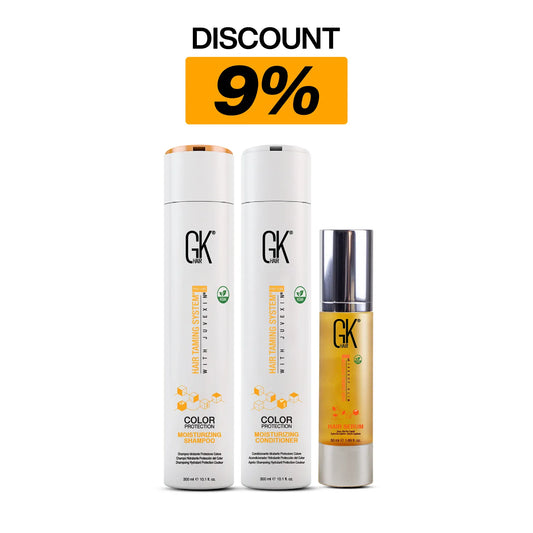
Our GK Hair Moisturizing Shampoo, best for anyone with dry, damaged or colour-treated hair, is formulated to cleanse hair without stripping its protective oils. It contains juvexin, an advanced protein blend that fills in raised cuticles as you wash.
Tip 3: Deep Condition Weekly (Not Monthly)
Doing a deep conditioning treatment shouldn’t be an occasional hair treatment. Your hair loses moisture every day, and you’d need to replenish that moisture consistently to avoid split ends or hair breakage.
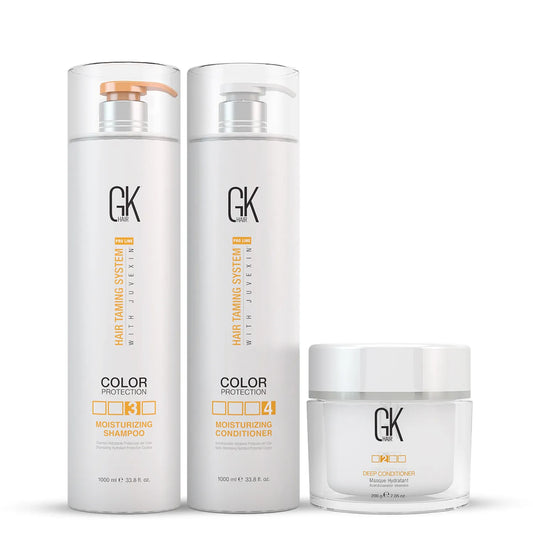
The GK Hair Deep Conditioner is designed to provide intense hydration. Best for all hair types, especially dry or damaged hair, it contains natural seed oils that penetrate the hair shaft and seals the cuticle.

On your wash day every week, after using your shampoo for split ends, apply your deep conditioner to damp hair concentrating on your mid-lengths and ends. Leave it on for 20 minutes, and rinse thoroughly with cool water.
Repeat this every one to two weeks, and watch how split ends disappear.
Tip 4: Use a Heat Protectant Before Heat Styling
Before you reach for your blow dryer or flat iron, you should have your heat protectant. It helps to create a barrier between your hair and the heat, reducing damage.
After applying your ThermalStyleHer Cream to create this barrier, allow it to set, before you lower your heat settings and style your hair. This way, you’re guaranteed minimal damage to your strands.
Tip 5: Be Gentle with Wet Hair (Use a Wide-Tooth Comb)
Wet hair deserves special treatment. Hair is at its most vulnerable state when wet. After shampooing, don’t rub your hair with a regular towel. Instead, gently squeeze out excess water using a microfiber towel or an old soft cotton t-shirt.
Use a wide tooth comb to gently detangle, starting from the ends and working upwards. This combing technique removes tangles without creating the friction that causes splits.
Some split ends that happen along the hair shaft (not just at the tips) come from rough brushing and towel friction. Switch to this method and you'd notice a reduction in breakage within 2-3 weeks.
Tip 6: Leave-In Conditioner for Daily Protection
A leave-in conditioner is like sunscreen for your hair—it provides ongoing protection throughout the day. It seals the cuticle, reduces friction from clothes, and helps your hair retain moisture.
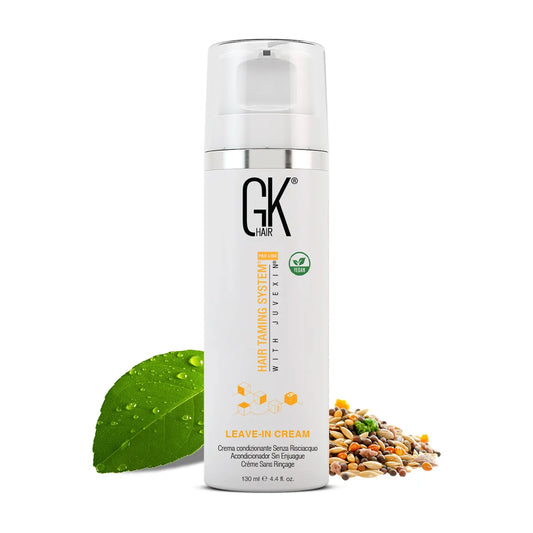
Our Leave-In Conditioner Cream is lightweight and doesn’t weigh hair down. It provides immediate softness and helps to protect your strands from frizz and split ends.
Tip 7: Wash Hair Less Frequently & Sleep on Silk/Satin
Stop washing your hair every day. This single change will reduce your split ends dramatically.
Most people’s hair does fine with 2-3 washes per week. You may notice your hair being greasier initially when you switch from daily washing, but with time, your hair adapts to this right washing frequency and produces the right amount of oil needed to coat and protect your cuticle.
You must also switch your cotton pillowcases for silk and satin. This small change costs about AED 50-100 and reduces the occurrence of split ends. It’s one of the easiest preventative measures you can take.